
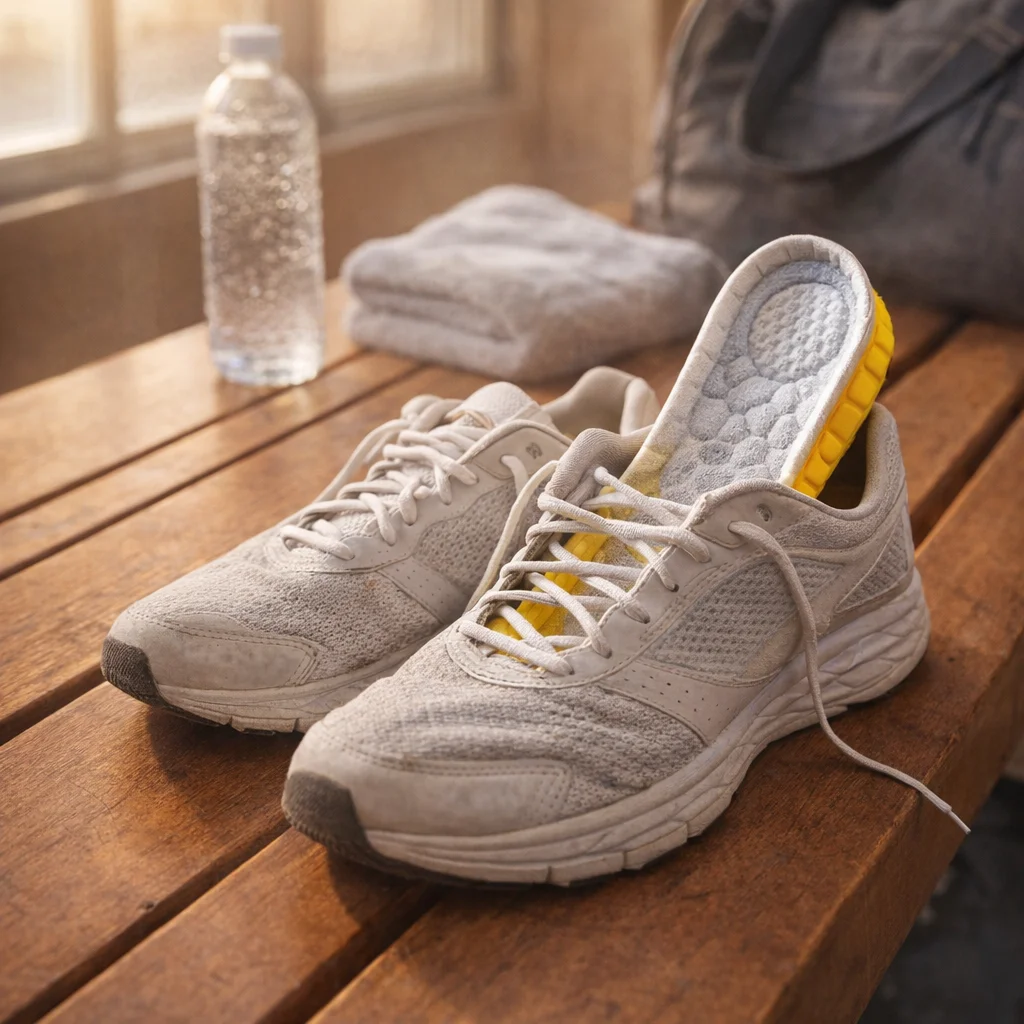
What Are Cloud Insoles, and Why Is Everyone Talking About Them?
If you have spent any time searching for foot comfort solutions lately, you have probably come across cloud insoles reviews popping up everywhere. From Reddit threads to fitness forums to Amazon comment sections, people cannot stop talking about the difference a good insole makes. But with so many options flooding the market, it is hard to know what is worth your money and what is just clever marketing.
The term "cloud insoles" refers to a new generation of cushioned shoe inserts designed to mimic the feeling of walking on something impossibly soft and supportive. Think of the difference between walking barefoot on a cold tile floor versus stepping onto a thick, plush rug. That is the kind of transformation these insoles aim to deliver, every single step, in whatever shoes you already own.
The buzz is not without reason. Millions of people spend eight, ten, even twelve hours a day on their feet, whether at work, at the gym, or just navigating daily life. When your feet hurt, everything hurts. Your knees ache, your lower back tightens, and your mood tanks. Cloud insoles have become a simple, affordable way to address all of that without buying a new pair of shoes or scheduling a podiatrist appointment.
The Problem They Are Solving
Most shoes, even expensive ones, come with insoles that are barely more than a thin layer of foam. They look fine when the shoe is new, but within a few weeks they flatten out and offer almost no real support. You are essentially walking on the hard shell of the shoe itself.
Cloud insoles are designed to replace that flat, lifeless factory insert with something that actively works for your foot. They absorb the impact of each step, redistribute pressure across your entire foot, and keep that cushioning consistent throughout the day rather than collapsing after the first hour.
Why the Market Has Exploded
A few years ago, insoles were mostly associated with elderly people or serious athletes with specific medical needs. That perception has completely shifted. Today, gym-goers, nurses, teachers, warehouse workers, and everyday sneaker enthusiasts are all reaching for aftermarket insoles as a standard part of their footwear setup.
Part of that shift is awareness. People are more tuned in to how foot health connects to overall body wellness. Part of it is also access. Quality insoles used to cost a small fortune. Now, genuinely effective options are available at budget-friendly prices, making it easy to try them without a major commitment.
Who Actually Needs Cloud Insoles?
The honest answer is: most people. But certain groups consistently report the most dramatic improvements after making the switch. Understanding where you fall on that spectrum helps you set realistic expectations before reading through cloud insoles reviews.
Fitness Enthusiasts and Gym-Goers
If you are logging serious time on the treadmill, jumping rope, doing HIIT circuits, or lifting heavy, your feet are absorbing an enormous amount of repeated impact. That cumulative stress travels up through your ankles, shins, knees, and hips. A well-cushioned insole acts like a shock absorber for your entire lower body, not just your feet.
Many runners and gym regulars report that switching to a quality cloud insole extends how long they can train before fatigue sets in. When your feet are not screaming at you by mile three, you push harder and recover faster. That is a meaningful performance edge for anyone serious about their fitness goals.
People Who Stand All Day
Nurses, teachers, retail workers, chefs, and anyone else who clocks eight-plus hours on hard floors knows the particular misery of end-of-day foot pain. It is the kind of ache that makes you want to sit down the moment you get home and not move again until morning.
For this group, cloud insoles are often described less as a comfort upgrade and more as a necessity. The difference between a long shift with proper cushioning and one without is profound. Several cloud insoles reviews from healthcare workers specifically mention being able to get through a full shift without the usual foot and back pain that used to follow them home.
Casual Wearers Seeking Everyday Comfort
You do not need to be an athlete or a shift worker to benefit. If you walk your dog, run errands, travel through airports, or simply prefer to feel good in your shoes, cloud insoles make daily life noticeably more comfortable. They are particularly helpful for people who love the look of a certain shoe but find it too stiff or flat to wear for extended periods.
Expert Tip: If you find yourself taking your shoes off the moment you get home because your feet are tired, that is a clear signal your current insoles are not doing their job. Foot fatigue is not inevitable. It is a problem worth solving.
What to Look for in a Quality Cloud Insole
Not all insoles marketed as "cloud" or "ultra-cushion" deliver on that promise. Before trusting any cloud insoles reviews, it helps to know what separates a genuinely effective insole from one that goes flat after two weeks.
Cushioning That Lasts
The single most important quality in any cloud insole is whether the cushioning holds up over time. Cheap foam feels great on day one and becomes a flat, useless slab by week three. Look for insoles that use advanced cushioning technology designed to spring back after each compression. You want the insole to feel just as supportive on a Friday afternoon as it did Monday morning.
One reliable way to evaluate this before buying is to look at long-term cloud insoles reviews, specifically comments from people who have used the product for three to six months. If the cushioning still gets positive mentions after extended use, that is a strong signal of durability.
Breathability and Freshness
An insole that traps heat and moisture is an insole you will eventually want to throw away. Feet sweat, especially during workouts or long days. An insole with a breathable top layer pulls that moisture away, keeps the environment inside your shoe drier, and dramatically reduces odor buildup over time.
This is an area where many budget insoles fall short. They prioritize cushion but ignore airflow, and the result is a product that starts to smell within weeks. Quality cloud insoles address both comfort and hygiene at the same time.
Arch Support and Pressure Distribution
True comfort is not just about softness. It is about how evenly your body weight is distributed across your foot. An insole that only cushions the heel leaves your arch unsupported, which can actually create new discomfort over time. Look for a design that follows the natural contour of the foot, supporting the heel, arch, and forefoot as a unified system.
This is especially important for people who pronate (roll inward) or supinate (roll outward) when they walk or run. Proper support corrects these patterns gradually, reducing the downstream impact on knees, hips, and lower back.
Cloud Insoles Reviews: What Real Users Are Experiencing
Reading through cloud insoles reviews across multiple platforms reveals some consistent themes. While individual experiences vary based on foot type, shoe style, and activity level, certain patterns emerge that are worth paying attention to.
The Most Common Positive Feedback
The phrase that comes up most often in positive reviews is some version of "I forgot I was wearing them." That might sound like faint praise, but for anyone who has spent years constantly aware of foot discomfort, that kind of invisibility is exactly what you want. When your insoles are doing their job, you stop thinking about your feet and start focusing on everything else.
Other frequently mentioned positives include:
- Noticeably less knee and lower back pain after long workouts or shifts
- Being able to wear shoes that were previously too uncomfortable for extended use
- Reduced foot fatigue by the end of the day
- A feeling of "bounciness" underfoot that makes walking feel effortless
- Staying fresh and odor-free longer than previous insoles
What Critical Reviews Tend to Say
Not every review is glowing, and the honest ones are just as useful. The most common complaints in cloud insoles reviews fall into a few categories. Some users find that insoles designed for athletic shoes do not translate well to dress shoes or narrow footwear. Others note that there is a short break-in period where the insole feels slightly too firm before it conforms to the foot.
A smaller number of reviewers mention that sizing can be tricky if you are between sizes. Most quality insoles can be trimmed to fit, but that requires a little patience and a sharp pair of scissors on the first use.
The Velvtread 4D Cloud Technology Insole: What Stands Out
Among the options that consistently earn strong feedback, the Velvtread 4D Cloud Technology Sports Insole gets particular attention for how it manages to deliver genuine cushioning without the bulk that makes some cloud insoles feel awkward inside a shoe. Users specifically call out the way it handles high-impact activities, absorbing the shock of each step rather than simply padding against it.
The breathable top layer is another point that comes up repeatedly. Reviewers who have tried multiple insole brands note that most options either feel comfortable or stay fresh, rarely both. The Velvtread design is frequently praised for managing to do both, which makes it a practical choice for gym sessions and long work days alike.
Key Takeaway: When evaluating cloud insoles reviews, prioritize feedback from people with a similar lifestyle and foot type to yours. A marathon runner and a retail worker have very different needs, and what works brilliantly for one may not be the right fit for the other.
How to Get the Most Out of Your Cloud Insoles
Buying the right insole is only half the equation. How you use and care for them determines how long they last and how much benefit you actually get. Most people skip this part entirely, which is why so many insoles end up in the back of a closet after a few months.
Getting the Fit Right from Day One
Start by removing the existing insole from your shoe and placing it on top of your new cloud insole. Trace around it if needed, then trim your new insole to match. Take your time here. A clean, accurate trim makes a significant difference in how the insole sits inside the shoe and how it feels underfoot.
Once trimmed, slide the insole in and lace your shoe up as you normally would. Walk around for a few minutes before committing to a full day or workout. Your foot should feel cradled and supported, not pinched or elevated unnaturally at the heel or toe.
Breaking Them In Properly
Even high-quality insoles benefit from a short break-in period. Your foot needs a few days to adjust to the new support profile, especially if you have been walking on flat, unsupportive insoles for years. Start with a few hours of wear on the first day, then gradually increase until you are comfortable wearing them all day.
Some people try to wear their new insoles for a full eight-hour shift on day one and then conclude the insoles are uncomfortable. That is not a fair test. Give your feet three to five days to adapt, and the difference becomes much more apparent.
Maintenance and Longevity
To keep your insoles performing well, take them out of your shoes occasionally and let them air out. If they get damp from sweat, laying them flat in a well-ventilated area for a few hours restores freshness and helps the cushioning recover its shape. Avoid putting them in a dryer or leaving them in direct sunlight for extended periods, as intense heat can affect the cushioning over time.
For most active users, a good quality cloud insole will last six to twelve months with proper care. If you notice the cushioning no longer springs back or the support feels uneven, it is time for a fresh pair.
Common Mistakes People Make When Buying Insoles
After reading dozens of cloud insoles reviews and talking to fitness enthusiasts about their experiences, a few avoidable mistakes come up again and again. Knowing these in advance saves you time, money, and frustration.
Choosing Based on Price Alone
The cheapest insole is not always the worst choice, but buying purely on price without considering quality often leads to disappointment. A flat, poorly constructed insole that costs very little is not a bargain if it provides no real benefit. On the other hand, the most expensive insole on the market is not automatically the best one for your specific needs.
The sweet spot is a budget-friendly option that is backed by strong, consistent reviews from people with similar needs to yours. That combination of affordability and proven performance is exactly what makes cloud insoles such a popular category right now.
Ignoring Your Specific Activity
An insole optimized for running is not necessarily the best choice for standing at a retail counter all day. The impact patterns, pressure points, and support needs are different. Before buying, think honestly about how you will be spending most of your time in these insoles. Running, cross-training, standing, or casual walking each benefit from slightly different cushioning profiles.
Expecting Insoles to Fix Serious Medical Issues
Cloud insoles are genuinely effective for everyday comfort, fatigue reduction, and general foot support. They are not a substitute for medical treatment if you have a diagnosed condition like plantar fasciitis, severe flat feet, or a structural foot problem. If you are dealing with persistent pain that does not respond to better footwear and insoles, a podiatrist visit is the right next step.
That said, many people discover that a quality insole addresses what they thought was a chronic problem. It is worth trying before assuming you need something more intensive.
Expert Tip: If you are shopping for insoles to address a specific pain point, such as heel pain or arch fatigue, look for cloud insoles reviews that specifically mention relief for that issue. Generic comfort feedback is useful, but targeted testimonials are more predictive of your experience.
Are Cloud Insoles Worth It? Our Honest Take
After reviewing the evidence, the user feedback, and the practical reality of what a good insole can and cannot do, the answer is a clear yes for most people. Cloud insoles represent one of the highest-value comfort upgrades available at a budget price point. The cost of a quality pair is less than a single specialty coffee per week, and the impact on daily comfort is measurable and immediate for the majority of users.
The Value Equation
Consider what you are getting. A set of insoles that makes every pair of shoes you own more comfortable, reduces the physical toll of long days on your feet, and potentially eases the knee and back pain that comes from poor impact absorption. For fitness enthusiasts especially, that kind of support can extend training sessions, speed up recovery, and make the overall experience of working out more enjoyable.
Compare that to the alternative: buying new shoes every time your current pair starts feeling flat, or simply tolerating discomfort because you assume it is just part of being active. Neither of those options makes much sense when a simple insole swap can transform the situation.
Who Should Buy Right Now
If you are on your feet for more than a few hours a day, if your current shoes feel flat and lifeless, or if you have been noticing more foot, knee, or lower back fatigue than usual, cloud insoles are a logical and low-risk solution to try. The investment is small, the potential upside is significant, and the worst-case scenario is that you learn more about what your feet need.
The Velvtread 4D Cloud Technology Sports Insole is a strong starting point, particularly if you are looking for something that handles both athletic use and everyday wear without compromising on freshness or long-term cushioning. It sits at a price point where trying it feels like a no-brainer rather than a commitment.
A Final Word on Expectations
Cloud insoles will not make a bad shoe great. They will not cure a medical condition or replace professional orthotics if you genuinely need them. But for the vast majority of people reading cloud insoles reviews and wondering if the upgrade is worth it, the answer from the community is overwhelmingly positive. When something this simple makes a noticeable difference in how you feel at the end of a long day, it earns its place in your routine.
Frequently Asked Questions
How long do cloud insoles typically last before needing to be replaced?
For most active users, a quality cloud insole lasts between six and twelve months. If you are using them primarily for high-impact activities like running or HIIT training, expect to replace them closer to the six-month mark. For lighter everyday use, they can hold up well for a year or more. The clearest sign that it is time to replace them is when the cushioning no longer springs back after compression, or when you start noticing foot fatigue returning despite wearing them.
Can I use cloud insoles in any type of shoe?
Most cloud insoles are designed for athletic and casual shoes with removable factory insoles. They work best in sneakers, running shoes, cross-trainers, and similar footwear with a standard toe box. They can be trimmed to fit most shoe sizes and shapes. Very narrow dress shoes, high heels, or shoes with a fixed non-removable insole are generally not ideal candidates. If you are unsure, remove the existing insole from your shoe first. If it comes out easily, a replacement cloud insole will likely fit well.
Do cloud insoles help with knee and back pain?
Many users report meaningful reductions in knee and lower back discomfort after switching to cloud insoles, particularly those who spend long hours on hard floors or engage in high-impact exercise. The mechanism is straightforward: better shock absorption at the foot means less impact traveling up through the joints. That said, insoles are not a medical treatment. If you have a diagnosed joint condition, consult a healthcare provider about whether insoles are an appropriate part of your management plan.
How do I know if cloud insoles are the right fit for my foot type?
A good starting point is to look at the wear pattern on your current shoes. If the inner edge of the sole wears down faster, you likely pronate and benefit from arch support. If the outer edge wears faster, you supinate and need lateral cushioning. If wear is relatively even, you have a neutral gait and most cloud insoles will work well for you. People with very high arches or very flat feet may find that a generalist cloud insole provides good comfort but not the targeted correction a custom orthotic would offer.
Are budget cloud insoles as good as expensive ones?
Not always, but often surprisingly close. The gap between a well-designed budget insole and a premium one has narrowed considerably in recent years. The key is to look past marketing language and focus on actual cloud insoles reviews from verified purchasers, especially those who have used the product for more than a few weeks. Durability and consistent cushioning over time are the real differentiators. A budget insole that holds up for six months of daily use delivers more value than an expensive one that flattens out in two.
Conclusion
The volume of positive cloud insoles reviews out there is not a coincidence or a marketing trick. It reflects a genuine, widespread experience of people discovering that something as simple as replacing a flat factory insole can meaningfully improve how they feel every single day.
Whether you are pushing through tough gym sessions, surviving long shifts on hard floors, or just trying to enjoy your daily walk without your feet complaining, the right insole is one of the easiest upgrades you can make. It costs less than most gym accessories, fits into shoes you already own, and starts working from the very first step.
If you are ready to experience the difference for yourself, the Velvtread 4D Cloud Technology Sports Insole is a well-reviewed, budget-friendly option that delivers on the promise of real cushioning, lasting support, and all-day freshness. Your feet have been waiting long enough.